PSUs 2026: Avoid 25% Energy Waste with Smart Choices
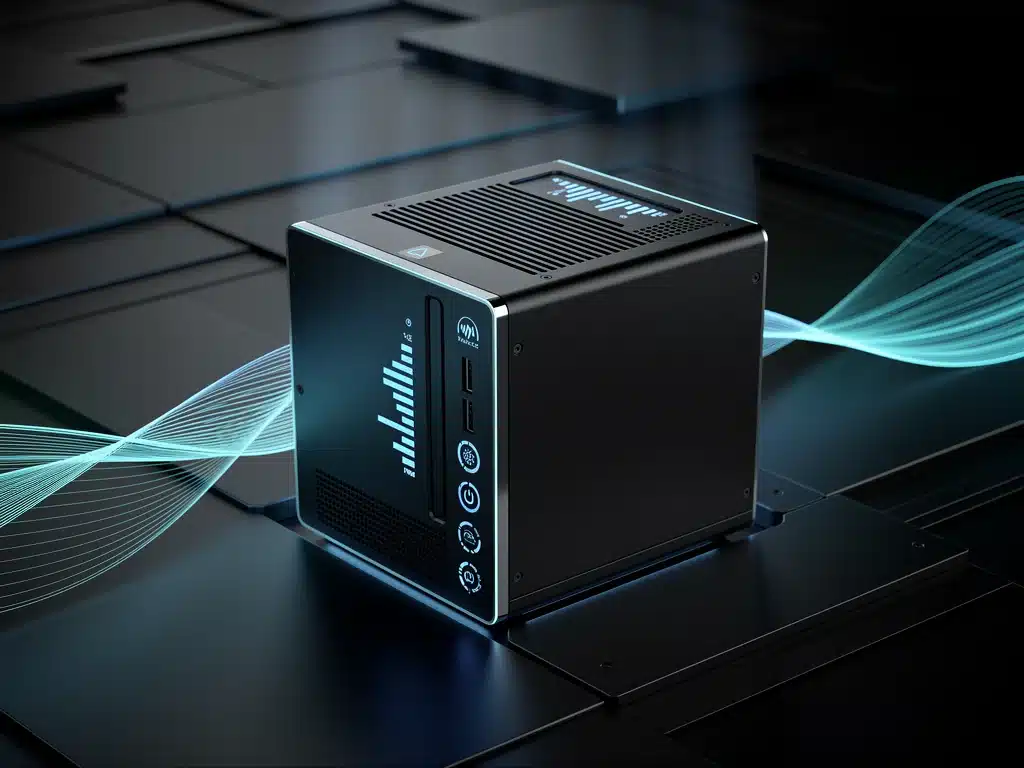
Latest developments in PSUs 2026 highlight a growing emphasis on energy efficiency, reliability, and support for increasingly power-hungry hardware. Manufacturers are expanding offerings that meet higher efficiency certifications, while newer standards are improving power delivery for modern CPUs and graphics cards.
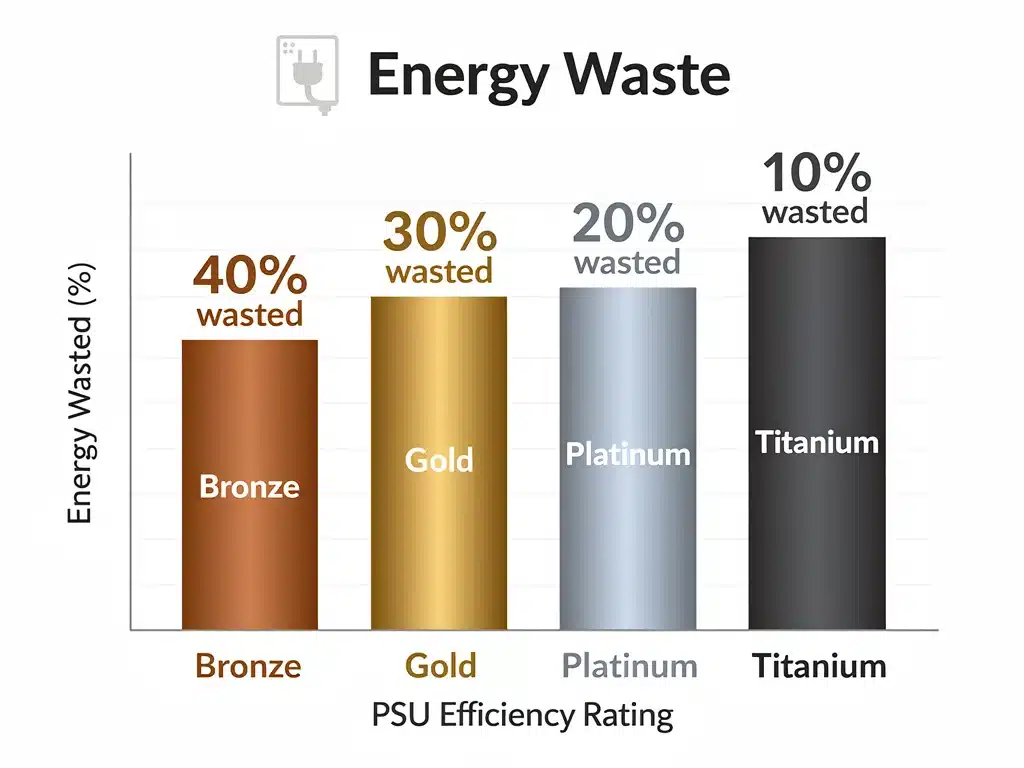
The biggest takeaway for consumers is that PSUs 2026 efficiency directly affects energy consumption and heat generation. Lower-efficiency units can waste a substantial portion of incoming electricity as heat, increasing operating costs over time. Choosing a PSU with a high-efficiency certification, such as 80 PLUS Gold, Platinum, or Titanium, can help reduce energy waste while improving overall system performance and stability.
Looking ahead, buyers should monitor efficiency ratings, compliance with newer power standards, total system power requirements, and long-term reliability metrics. As gaming PCs and workstation hardware continue to demand more power, selecting a properly sized, high-quality PSU remains one of the smartest investments for maximizing performance, reducing waste, and future-proofing a system through 2026 and beyond.
Advertisements
The Critical Role of Power Supply Units in 2026
PSUs 2026 are often overlooked components, yet they are the heart of any computer system, converting AC power from the wall outlet into usable DC power for all internal components. Their efficiency directly impacts both your electricity bill and the operational temperature of your system.
In 2026, with increasing energy costs and a global push towards sustainability, the efficiency of your PSU is no longer just a technical detail but a major economic and environmental consideration. An inefficient PSU not only wastes electricity but also generates more heat, demanding better cooling and potentially shortening component lifespans.
Making smart choices when selecting PSUs 2026 is paramount to ensuring your system runs optimally and cost-effectively. Ignoring this aspect can lead to substantial long-term expenses and a larger carbon footprint, something modern consumers are increasingly conscious of.
Understanding PSU Efficiency Ratings
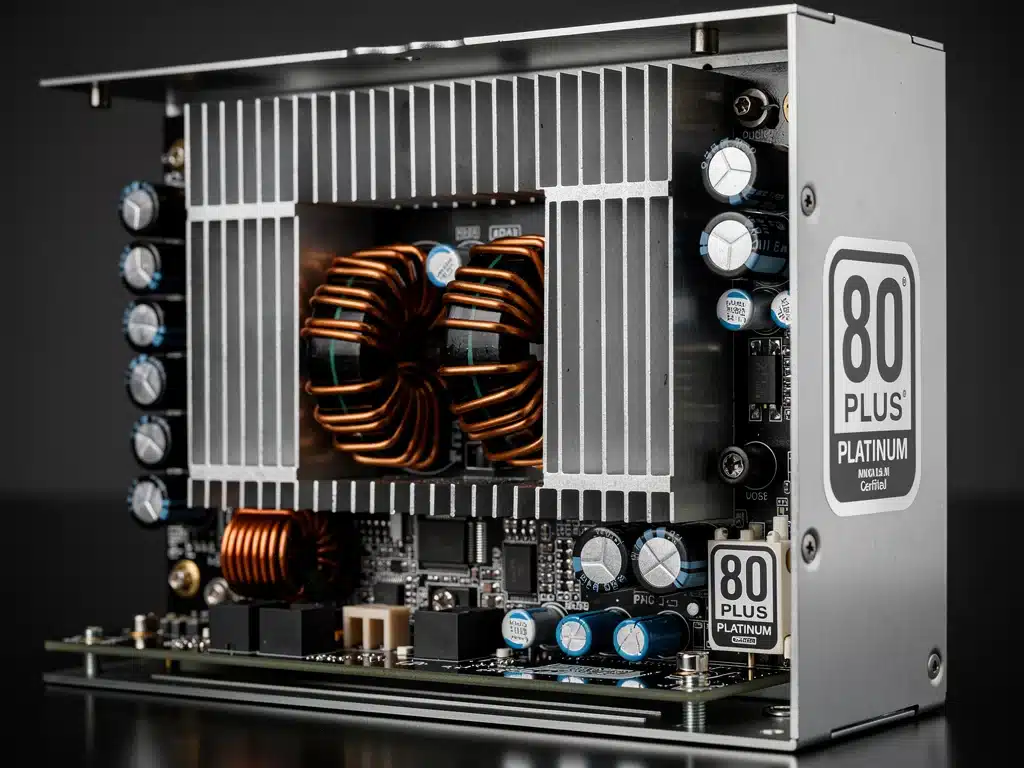
The 80 Plus certification program remains the gold standard for measuring PSU efficiency, indicating how much power is lost as heat during the conversion process. Ratings range from 80 Plus White to 80 Plus Titanium, each representing a higher level of efficiency at various load percentages.
For instance, an 80 Plus Bronze PSU is at least 82% efficient at 20% load, 85% at 50% load, and 82% at 100% load. In contrast, an 80 Plus Titanium unit boasts efficiencies of 90% at 10% load, 92% at 20% load, 94% at 50% load, and 90% at 100% load, significantly reducing wasted energy.
Choosing a PSU with a higher 80 Plus rating is a direct investment in energy savings and system longevity. While the initial cost might be slightly higher, the long-term benefits in terms of reduced electricity consumption and cooler operation far outweigh the upfront expense, especially when considering PSUs 2026.
The Impact of Inefficient PSUs: A 25% Energy Waste
Studies and industry analyses consistently show that lower-efficiency PSUs can waste a substantial portion of the electricity they draw from the wall. This waste often translates to around 20-25% of the total energy input, which is converted into heat rather than useful power.
This 25% energy waste means that for every 100 watts drawn from the outlet, only 75 watts are actually supplied to your computer’s components, with the remaining 25 watts dissipated as heat. Over time, this cumulative waste can lead to surprisingly high electricity bills, particularly for systems that run for extended periods.
Avoiding this significant energy waste is a primary driver behind the push for more efficient PSUs 2026. Consumers are increasingly seeking solutions that are not only powerful but also environmentally and economically sound, making efficiency a key purchasing factor.
Technological Advancements Driving PSU Efficiency
The evolution of PSU technology is continuous, with manufacturers constantly innovating to achieve higher efficiency and better performance. In 2026, we are seeing the widespread adoption of new designs and components that were once cutting-edge, now becoming standard.
For example, advancements in semiconductor materials, such as Gallium Nitride (GaN) and Silicon Carbide (SiC), are enabling PSUs to operate at higher frequencies with lower switching losses. This translates to smaller form factors, reduced heat generation, and improved overall efficiency.
Furthermore, digital control circuits are becoming more prevalent, allowing for more precise voltage regulation and dynamic load adjustments. These smart technologies optimize power delivery in real-time, further minimizing waste and ensuring stable performance for demanding applications.
Modular and Semi-Modular Designs: Beyond Cable Management
Modular and semi-modular PSUs have long been favored for their improved cable management, allowing users to connect only the necessary cables, reducing clutter and improving airflow. In 2026, their advantages extend beyond aesthetics and cooling to overall system efficiency.
By reducing unnecessary cables, these designs can slightly improve internal airflow, contributing to a cooler operating environment for the PSU itself. A cooler PSU tends to operate more efficiently, as heat is a primary enemy of electronic components and a cause of efficiency loss.
While the direct efficiency gain from modularity itself might be marginal, the indirect benefits of better airflow and reduced thermal stress contribute to the PSU’s long-term performance and efficiency. This makes them a smart choice when considering PSUs 2026.
The Rise of ATX 3.0 and PCIe 5.0 Power Connectors
The introduction of the ATX 3.0 standard and PCIe 5.0 power connectors marks a significant leap forward in PSU design, specifically tailored for the next generation of power-hungry graphics cards. These new standards are not just about delivering more power but doing so more efficiently and reliably.
ATX 3.0 PSUs are designed to handle extreme power excursions, or transient spikes, that modern GPUs can exhibit, ensuring system stability and preventing shutdowns. This capability is crucial for high-performance gaming and professional workstations, where consistent power delivery is paramount.
The new 12VHPWR connector (12+4 pin) associated with PCIe 5.0 graphics cards simplifies cabling and can deliver up to 600W through a single cable, reducing resistance and potential points of failure. These innovations are critical for PSUs 2026 to keep pace with evolving hardware demands.
Calculating Your Power Needs Accurately
One of the most common mistakes when selecting a PSU is overestimating or underestimating your system’s actual power requirements. An oversized PSU can operate inefficiently at low loads, while an undersized one can lead to instability and component damage.
Accurate power calculation involves summing the TDP (Thermal Design Power) of your CPU, GPU, and other components, then adding a buffer for future upgrades and transient power spikes. Online PSU calculators are excellent tools for this, providing estimated wattage based on your specific hardware configuration.
For optimal efficiency, it is generally recommended to choose a PSU that operates at around 50% of its maximum capacity under typical load, as this is often where most PSUs achieve their peak efficiency. This strategic selection is key to making smart PSUs 2026 choices.
Smart Choices for Power Supply Units in 2026
Making informed decisions about your PSU goes beyond just looking at the wattage and the 80 Plus rating. It involves considering the specific needs of your system, your usage patterns, and future upgrade plans. A holistic approach ensures long-term satisfaction and efficiency.
Investigating user reviews and professional benchmarks can provide valuable real-world data on a PSU’s performance, noise levels, and reliability. Some manufacturers are known for their consistent quality and excellent customer support, which can be critical factors in your decision-making process.
Ultimately, the goal is to strike a balance between cost, efficiency, and reliability, ensuring you get the best value for your investment while minimizing energy waste. This strategic approach is essential for selecting the best PSUs 2026.
Future-Proofing Your PSU Investment
Given the rapid pace of technological advancement, future-proofing your PSU is a wise strategy to avoid premature upgrades. This means choosing a PSU with sufficient wattage overhead and support for emerging standards like ATX 3.0 and PCIe 5.0.
While your current system might not demand the highest wattage, future graphics cards and CPUs are expected to become even more power-hungry. A PSU with a slightly higher capacity than immediately needed can save you from having to replace it sooner than anticipated.
Furthermore, opting for a higher efficiency rating, such as 80 Plus Gold or Platinum, ensures that your PSU remains energy-efficient even as your system’s power demands evolve. This foresight is a cornerstone of making smart PSUs 2026 decisions.
Understanding Power Factor Correction (PFC)
Power Factor Correction (PFC) is a crucial feature in modern PSUs that helps improve the power factor, a measure of how effectively electrical power is being used. A high power factor (close to 1) indicates that the power drawn from the grid is being used efficiently, reducing reactive power losses.
Active PFC, which is standard in most quality PSUs today, uses an active circuit to correct the power factor, typically achieving a power factor of 0.95 or higher. This not only benefits the electrical grid by reducing harmonic distortion but also contributes to the overall efficiency of the power conversion process within the PSU.
While PFC primarily benefits the utility company by reducing grid load, it indirectly ensures that your PSU is drawing power more cleanly and efficiently from the wall. When evaluating PSUs 2026, ensure that active PFC is a standard feature.
The Environmental and Economic Benefits of Efficiency
Beyond individual savings, choosing efficient PSUs has broader environmental and economic implications. Reducing energy consumption at the individual level contributes to a larger collective effort to decrease carbon emissions and mitigate climate change.
Every watt saved means less demand on power plants, many of which still rely on fossil fuels. This reduction in demand translates to lower greenhouse gas emissions and a cleaner environment, aligning with global sustainability goals.
From an economic standpoint, widespread adoption of efficient PSUs 2026 can lead to significant nationwide energy savings, reducing the need for new power infrastructure and easing the burden on existing grids. This makes efficiency a win-win for both consumers and society.
Longevity and Reliability: The Unseen Benefits
Highly efficient PSUs often translate to better-built units with higher quality components. Less heat generation means less stress on internal components, leading to a longer operational lifespan for the PSU itself and potentially other components in your system.
Manufacturers typically use higher-grade capacitors, transformers, and cooling solutions in their more efficient models. This attention to detail results in a more reliable product that is less prone to failure, providing peace of mind for the user.
Investing in a reliable and efficient PSU can prevent costly downtime and component damage in the long run. This aspect of durability and reliability is a key, often understated, benefit of choosing smart PSUs 2026.
User Behavior and System Optimization for Minimal Waste
While selecting an efficient PSU is foundational, user behavior and system optimization also play a crucial role in minimizing energy waste. Adjusting power settings, enabling sleep modes, and understanding component usage can further enhance your system’s overall efficiency.
Operating systems offer various power management options that can significantly reduce consumption during idle periods or when the system is not under heavy load. Customizing these settings to match your usage patterns can yield additional energy savings.
Regular maintenance, such as cleaning dust from fans and heatsinks, also ensures that your system’s cooling remains effective, preventing components, including the PSU, from overheating and losing efficiency. These practices complement smart PSUs 2026 choices.
Software Solutions for Power Monitoring
Several software tools are available that allow users to monitor their system’s power consumption in real-time. These applications can provide valuable insights into which components are drawing the most power and identify potential areas for optimization.
Monitoring tools can help you understand the load on your PSU and how efficiently it is operating under different scenarios. This data can inform future upgrade decisions and help you fine-tune your power management settings for maximum efficiency.
By actively tracking and understanding your system’s power usage, you can make more informed decisions about hardware configurations and software settings, further reducing energy waste beyond the initial selection of PSUs 2026.
The Evolving Landscape of PSU Certifications and Standards
Beyond the well-established 80 Plus ratings, new certifications and standards are emerging that aim to push PSU efficiency even further. These initiatives often focus on specific use cases, such as enterprise servers or small form factor PCs, where space and heat dissipation are critical.
Regulatory bodies in various regions are also introducing stricter energy efficiency requirements for electronic devices, including computers and their components. These regulations are designed to encourage manufacturers to produce more efficient products and to reduce overall energy consumption.
Staying abreast of these evolving certifications and standards is important for both consumers and manufacturers to ensure compliance and to make the most energy-efficient choices available. The landscape for PSUs 2026 is dynamic and continually improving.
| Key Point | Brief Description |
|---|---|
| 25% Energy Waste | Inefficient PSUs can waste up to 25% of drawn energy as heat, increasing costs. |
| 80 Plus Ratings | Higher 80 Plus ratings (Gold, Platinum, Titanium) signify greater efficiency and savings. |
| ATX 3.0 & PCIe 5.0 | New standards ensure stable, efficient power delivery for next-gen high-power components. |
| Accurate Power Needs | Calculating precise wattage avoids oversizing/undersizing, optimizing PSU efficiency. |
Frequently Asked Questions About Power Supply Units in 2026
PSU efficiency is crucial in 2026 due to rising energy costs and increased environmental awareness. Inefficient units waste significant electricity, converting it into heat, which escalates utility bills and contributes to a larger carbon footprint. Smart choices prevent this energy loss effectively.
To avoid a 25% energy waste, prioritize PSUs with high 80 Plus ratings, such as Gold, Platinum, or Titanium. These certifications guarantee superior efficiency at various loads, minimizing power loss. Additionally, accurately calculate your system’s power needs to prevent oversizing, which can also lead to inefficiencies.
ATX 3.0 is a new PSU standard designed to handle the transient power spikes of modern GPUs, ensuring system stability. PCIe 5.0 introduces the 12VHPWR connector, delivering up to 600W through a single cable. These advancements are vital for efficient and reliable power delivery to next-gen, power-hungry components.
No, a higher wattage PSU is not always better. While it provides more headroom for upgrades, an oversized PSU can operate inefficiently at lower loads, where many PSUs are less efficient. The ideal PSU wattage allows it to run at around 50% of its capacity under typical load for peak efficiency.
User behavior significantly impacts energy efficiency. Utilizing operating system power management settings, enabling sleep modes, and performing regular system maintenance like dust cleaning can further reduce power consumption. Software monitoring tools also help identify and optimize power usage, complementing efficient hardware choices.
Perspectives
The imperative to choose efficient Power Supply Units in 2026 is clear, driven by both economic realities and environmental consciousness.
The ongoing evolution of PSUs 2026 technology, coupled with new standards, presents unprecedented opportunities for energy savings.
Consumers and businesses must remain informed about these developments to make optimal purchasing decisions, ensuring their systems are not only powerful but also sustainable.
The long-term implications of these choices will shape both individual financial outcomes and the broader energy landscape.