Power Supply Units for 2026 High-End Builds: ATX 3.0 & 12VHPWR
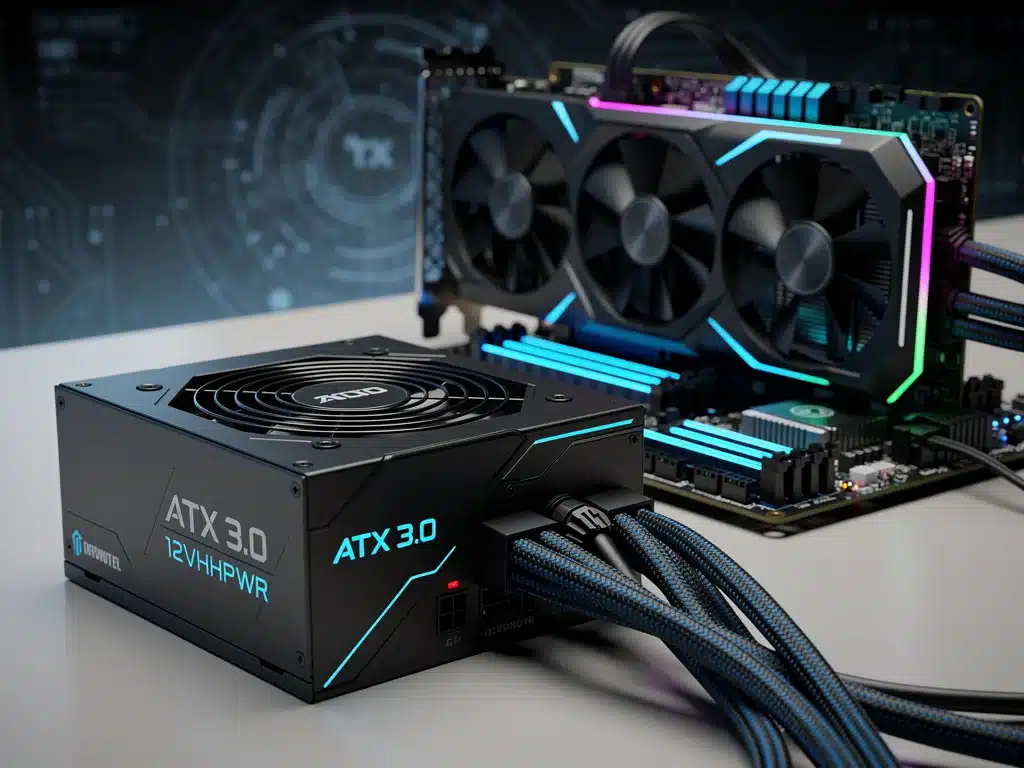
The latest developments concerning Power Supply Units are shaping the future of PC gaming as the industry prepares for more demanding hardware and evolving power-delivery standards.
These changes mark an important shift in how high-performance components receive and manage power, making PSU selection increasingly relevant for upcoming gaming and workstation builds.
Understanding these advancements can help enthusiasts future-proof their systems, improve stability, and prepare for graphics cards and processors with higher power requirements.
Advertisements
The Dawn of ATX 3.0: A New Era for Power Delivery
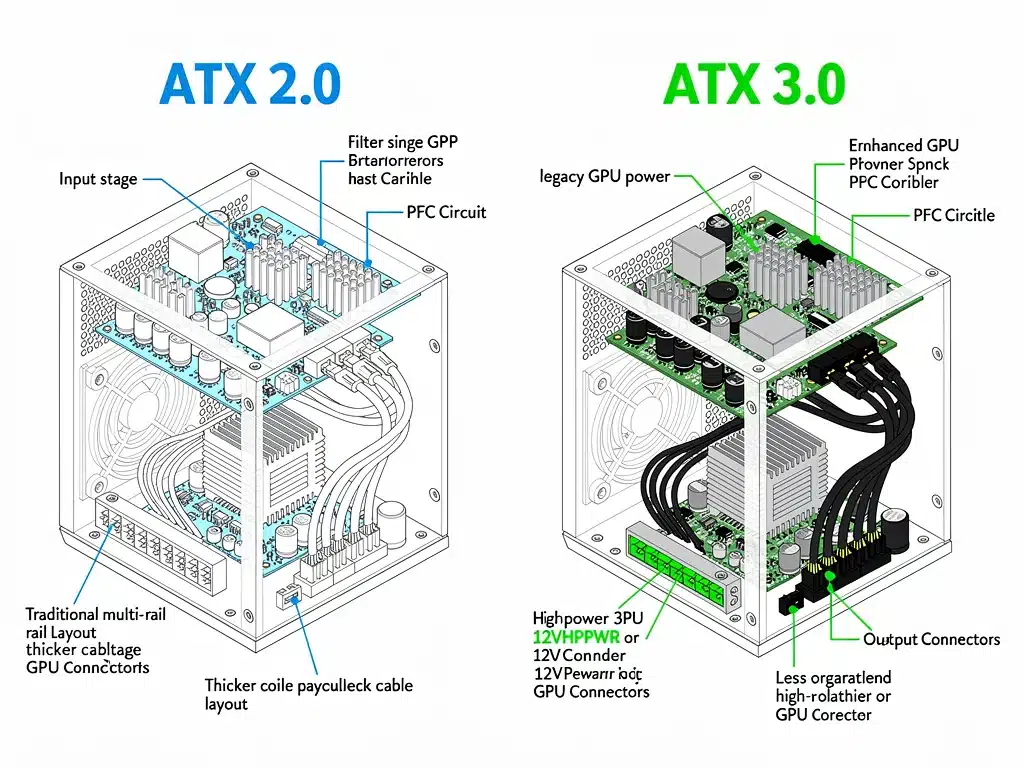
The ATX 3.0 standard, officially released by Intel, represents a fundamental overhaul of power supply specifications. It addresses the escalating power demands and transient power spikes characteristic of modern high-end graphics cards, ensuring system stability and longevity.
This new specification mandates significant changes in PSU design, particularly in handling rapid power excursions. It is designed to prevent system crashes and performance degradation that older ATX 2.x PSUs might experience under extreme loads.
For enthusiasts planning Power Supply Units, ATX 3.0 compliance is becoming an essential consideration. It guarantees that the power supply can reliably support the peak power draw of cutting-edge components without compromise.
Why ATX 3.0 Matters for High-End Builds
ATX 3.0 introduces crucial improvements for managing power delivery to components, especially high-power graphics cards. It mandates that PSUs must be capable of delivering 2x the GPU’s rated power for 100 microseconds and 3x the total system power for shorter bursts.
This capability directly addresses the notorious transient power spikes that have plagued some previous generation GPUs, leading to system instability. The standard ensures that the PSU can absorb these sudden power demands without triggering over-current protection.
Ultimately, ATX 3.0 provides a more robust and reliable power foundation, which is indispensable for Power Supply Units. It secures the stability and performance of systems housing the most powerful hardware.
Key Features and Requirements of ATX 3.0
- Transient Power Handling: PSUs must withstand 200% of their rated power for 100 microseconds, crucial for modern GPUs.
- Efficiency Standards: Stricter efficiency requirements ensure less energy waste and reduced heat generation.
- New Connectors: Integration of the 12VHPWR connector for direct high-power GPU delivery.
- Faster Power-On Times: Improved specifications for faster system wake-up and responsiveness.
Unpacking the 12VHPWR Connector: The Future of GPU Power
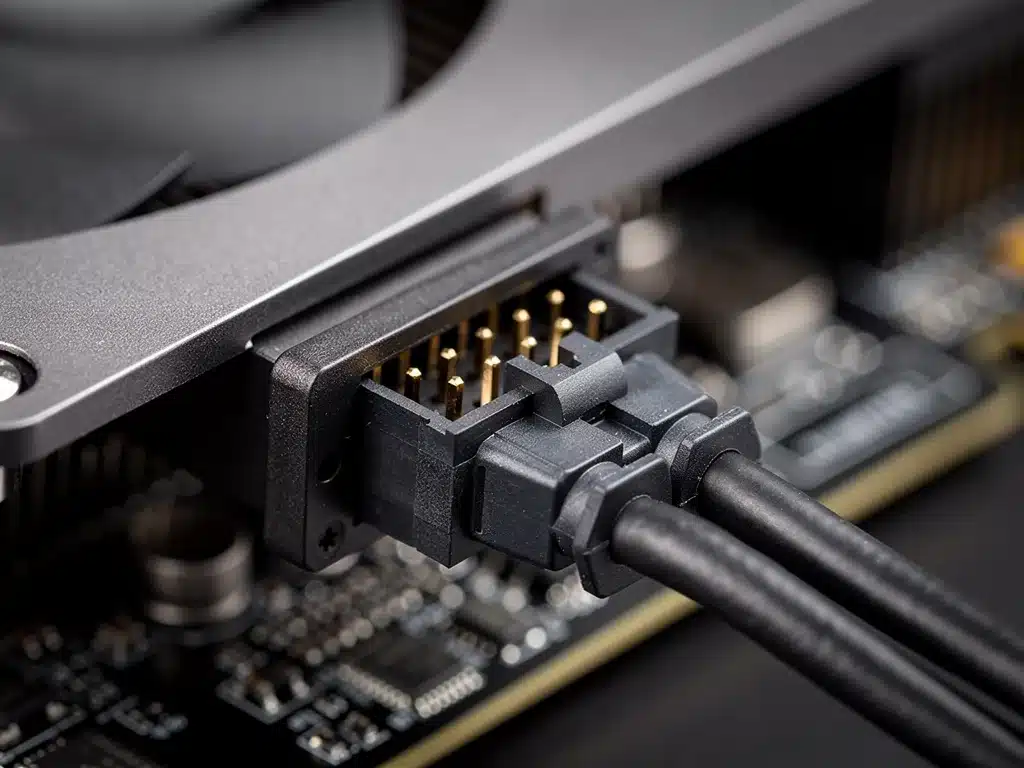
The 12VHPWR connector, officially known as the PCIe 5.0 12+4 pin connector, is a cornerstone of the ATX 3.0 standard. It is designed to deliver up to 600W of power through a single cable, replacing multiple 8-pin PCIe connectors previously needed for high-end graphics cards.
This compact connector streamlines cable management and reduces the number of bulky cables inside a PC case, contributing to a cleaner aesthetic and improved airflow. Its design is a direct response to the increasing power appetite of flagship GPUs.
For anyone considering Power Supply Units, familiarity with the 12VHPWR is non-negotiable. It represents a significant leap forward in power delivery efficiency and design.
Addressing Early Concerns and Revisions
Initial implementations of the 12VHPWR connector saw some reports of melting issues, primarily attributed to improper seating and adapter usage. The industry quickly responded, leading to revisions and clearer guidelines for proper installation.
The newer 12V-2×6 connector, often seen in later ATX 3.0 PSUs, incorporates design improvements that enhance safety and ensure full insertion. These revisions underscore the industry’s commitment to reliability and user safety.
These refinements are critical for ensuring confidence in Power Supply Units. Manufacturers are actively working to standardize and perfect this essential component.
Benefits and Challenges of 12VHPWR
- Higher Power Delivery: Up to 600W from a single connector, simplifying cabling.
- Improved Cable Management: Fewer, smaller cables lead to a cleaner build.
- Enhanced Efficiency: Direct power delivery reduces potential losses.
- Installation Sensitivity: Requires careful and full insertion to prevent issues.
Choosing the Right ATX 3.0 PSU for Your 2026 Build
Selecting the appropriate ATX 3.0 power supply unit is paramount for a stable and high-performing 2026 high-end PC build. It requires careful consideration of wattage, efficiency rating, and specific features that align with your chosen components.
Look for PSUs that explicitly state ATX 3.0 compliance, often accompanied by the native 12VHPWR or 12V-2×6 connector. This ensures the unit meets the stringent power excursion requirements of next-generation hardware.
Investing in a high-quality ATX 3.0 PSU is not just about meeting current demands but also about future-proofing your system. It guarantees that your Power Supply Units will support future hardware upgrades seamlessly.
Wattage Requirements for Next-Gen Components
With GPUs and CPUs becoming increasingly power-hungry, accurately calculating your system’s wattage needs is more critical than ever. Modern high-end graphics cards alone can demand upwards of 450-600W under load.
Consider your CPU, motherboard, storage, and other peripherals when estimating total system power draw. It is always advisable to choose a PSU with a sufficient overhead, typically 20-30% above your estimated peak consumption, to allow for future upgrades and transient spikes.
For Power Supply Units, a minimum of 850W to 1000W is often recommended for top-tier gaming systems, with some extreme configurations potentially requiring 1200W or more.
Modular vs. Non-Modular and Efficiency Ratings
Modular PSUs offer superior cable management by allowing users to connect only the necessary cables, reducing clutter and improving airflow. Non-modular units have all cables permanently attached, which can make builds more challenging.
Efficiency ratings, such as 80 Plus Bronze, Gold, Platinum, or Titanium, indicate how much power is converted into usable energy versus lost as heat. Higher efficiency means less wasted power, lower operating temperatures, and potentially a longer lifespan for the PSU.
When researching Power Supply Units, prioritize at least an 80 Plus Gold rating for a good balance of efficiency and cost, with Platinum or Titanium being ideal for peak performance and energy savings.
Compatibility with Existing Hardware: Bridging the Gap
While ATX 3.0 and the 12VHPWR connector are designed for future hardware, understanding their compatibility with existing components is crucial for transitional builds. Many users will upgrade components incrementally rather than building an entirely new system.
Older graphics cards typically use 6-pin or 8-pin PCIe power connectors. An ATX 3.0 PSU will still provide these traditional connectors, ensuring backward compatibility with your current GPU.
However, the primary advantage of Power Supply Units lies in their native support for the new 12VHPWR. This is particularly important if you plan to upgrade to a next-gen GPU in the near future.
Adapters: A Temporary Solution?
For users with non-ATX 3.0 PSUs and new GPUs requiring a 12VHPWR connector, adapters are available. These typically convert multiple 8-pin PCIe connectors into a single 12VHPWR connection.
While adapters can provide a functional solution, they come with caveats. They can introduce additional points of failure, increase cable clutter, and may not always deliver the same transient power handling capabilities as a native ATX 3.0 PSU.
Relying on adapters for high-power components in Power Supply Units should be considered a temporary measure. A native ATX 3.0 PSU remains the recommended and safest option for long-term stability.
Ensuring System Stability with Mixed Components
- Verify PSU Wattage: Ensure your current PSU can handle the combined power draw of new and old components.
- Check Connector Availability: Confirm your PSU has enough traditional 6/8-pin connectors for older GPUs if you’re not using the 12VHPWR.
- Monitor Temperatures: Pay attention to temperatures, especially with adapters, as increased resistance can generate heat.
- Prioritize Native ATX 3.0: For optimal stability and performance, a native ATX 3.0 PSU is always preferred for high-end setups.
Future-Proofing Your Build: Beyond 2026
Investing in Power Supply Units is a strategic move towards future-proofing your gaming PC. The rapid evolution of hardware necessitates a power infrastructure that can adapt to increasing demands.
The ATX 3.0 standard is not just for 2026; it lays the groundwork for power delivery solutions for several years to come. Its robust design principles anticipate future power spikes and higher average power consumption.
By choosing an ATX 3.0 compliant PSU with a native 12VHPWR connector now, you are making a commitment to system stability and upgrade potential. This foresight ensures your build remains relevant and capable as new generations of components emerge.
Anticipated Trends in Power Consumption
Industry analysts predict a continued upward trend in power consumption for high-end GPUs and CPUs. As manufacturing processes shrink and transistor counts increase, the demand for stable and instantaneous power delivery will only intensify.
This trend reinforces the necessity of standards like ATX 3.0, which are specifically designed to meet these escalating power requirements. Older PSU standards simply cannot keep pace with the dynamic power profiles of cutting-edge hardware.
Therefore, understanding Power Supply Units is not just about current needs, but about anticipating and preparing for the technological advancements that lie ahead.
The Role of Efficiency in Future Builds
Beyond raw power delivery, efficiency will play an increasingly significant role in future PC builds. As energy costs rise and environmental concerns grow, more efficient PSUs become highly desirable.
Higher 80 Plus ratings translate to less wasted energy, lower electricity bills, and reduced heat output within your system. This contributes to a cooler, quieter, and more stable operating environment.
When considering Power Supply Units, prioritizing a PSU with an 80 Plus Platinum or Titanium rating offers the best long-term value and performance. It aligns with both economic and ecological considerations.
Installation Best Practices for 12VHPWR
Proper installation of the 12VHPWR connector is critical to prevent potential issues and ensure reliable power delivery. Incorrect seating has been identified as a primary cause of connector melting reports.
Always ensure the connector is fully seated into the graphics card’s power socket. A distinct click usually indicates a secure connection, but a visual check to confirm no gaps are present is also vital.
Avoid excessive bending of the cable near the connector, especially immediately after it exits the GPU. This can put undue stress on the pins and potentially lead to poor contact, which is a key factor to consider for Power Supply Units.
Tips for a Secure and Safe Connection
When routing the 12VHPWR cable, plan for sufficient clearance to avoid sharp bends. If your case design necessitates tight bends, consider using a specialized 90-degree adapter designed for this purpose, but only from reputable brands.
Regularly inspect the connector and the GPU’s power socket for any signs of discoloration or wear. Early detection of issues can prevent more significant problems down the line.
These best practices are essential for maximizing the lifespan and stability of your high-end components. Proper handling of Power Supply Units ensures optimal performance and safety.
Common Installation Pitfalls to Avoid
- Partial Insertion: The most common cause of issues; always ensure a full, audible click.
- Aggressive Bending: Avoid sharp bends directly at the connector housing.
- Using Uncertified Adapters: Stick to certified adapters from trusted manufacturers if an adapter is absolutely necessary.
- Ignoring Cable Management: Proper routing prevents strain and improves airflow.
Industry Adoption and Manufacturer Support
The adoption of ATX 3.0 and the 12VHPWR connector is rapidly gaining momentum across the PC hardware industry. Leading PSU manufacturers are actively releasing new models that comply with these standards, recognizing their importance for future high-end systems.
Major graphics card manufacturers are also designing their latest GPUs with native 12VHPWR support, making the transition seamless for consumers. This widespread adoption signals a clear industry consensus on the direction of power delivery.
For consumers, this means a growing selection of compliant hardware, making it easier to find suitable Power Supply Units. The ecosystem is maturing rapidly.
Key Players and Their Offerings
Brands like Seasonic, Corsair, be quiet!, Cooler Master, and ASUS are at the forefront of ATX 3.0 PSU development. They offer a range of wattages and efficiency ratings, catering to diverse high-end build requirements.
These manufacturers are not only providing native 12VHPWR cables but also incorporating advanced protections and superior components to handle the demanding ATX 3.0 specifications. Their commitment is vital for the standard’s success.
Consumers looking for Power Supply Units should prioritize products from these reputable brands, ensuring quality and adherence to the latest standards.
The Impact on the DIY PC Market
- Increased PSU Options: A wider variety of ATX 3.0 compliant PSUs are entering the market.
- Simplified GPU Upgrades: Native 12VHPWR support makes upgrading to new GPUs more straightforward.
- Enhanced System Stability: Reduced risk of power-related issues for high-performance systems.
- Education for Builders: A greater need for builders to understand the new power delivery norms.
Performance and Stability Gains with ATX 3.0 PSUs
The primary benefit of integrating ATX 3.0 Power Supply Units is the significant improvement in system performance and stability. These PSUs are engineered to provide consistent, clean power, even under the most demanding workloads.
The enhanced transient response capabilities of ATX 3.0 directly translate to fewer system crashes and stutters when high-power components like GPUs experience sudden load changes. This ensures a smoother and more reliable gaming experience.
For competitive gamers and content creators, this level of stability is invaluable. It minimizes interruptions and maximizes the uptime of critical applications, making ATX 3.0 a non-negotiable standard.
Eliminating Power-Related Bottlenecks
Older ATX 2.x PSUs, while still functional, can become a bottleneck for modern high-end hardware due to their inability to handle extreme power excursions. This can lead to underperformance or instability, even if the PSU’s rated wattage seems sufficient.
ATX 3.0 PSUs, with their superior design and native 12VHPWR connector, eliminate these power-related bottlenecks. They ensure that your CPU and GPU receive the precise power they need, exactly when they need it, unlocking their full potential.
This optimization is crucial for anyone assembling Power Supply Units, as it guarantees that the power delivery system will not be the limiting factor in overall system performance.
Real-World Impact on Gaming and Workloads
- Smoother Frame Rates: Reduced instability from power spikes leads to more consistent gaming performance.
- Reliable Content Creation: Fewer crashes during intensive rendering or video editing tasks.
- Enhanced Overclocking Potential: Stable power delivery supports more aggressive overclocks.
- Longer Component Lifespan: Consistent power reduces stress on components, potentially extending their life.
The Environmental and Economic Aspect of New PSUs
Beyond performance, the shift to ATX 3.0 and the 12VHPWR connector also carries environmental and economic implications. More efficient PSUs contribute to lower energy consumption, which has both ecological and financial benefits.
Higher efficiency ratings mean less electricity is wasted as heat, reducing your carbon footprint and lowering your electricity bills. This long-term saving can offset the initial investment in a premium ATX 3.0 PSU.
Considering these factors is part of a holistic approach to building a modern PC. Power Supply Units are not just about raw power, but also about responsible consumption.
Reduced Energy Consumption and Heat Output
An 80 Plus Titanium rated ATX 3.0 PSU can achieve up to 94% efficiency at 50% load, meaning only 6% of the drawn power is lost as heat. This contrasts sharply with less efficient units, which can waste significantly more energy.
Less heat generation within the PSU and the PC case reduces the need for aggressive cooling, potentially leading to quieter system operation. It also places less thermal stress on other components, contributing to overall system longevity.
These benefits are particularly relevant for high-end builds that operate under heavy loads for extended periods. The cumulative effect of choosing efficient Power Supply Units is substantial.
Long-Term Cost Savings and Sustainability
- Lower Electricity Bills: Direct savings from reduced energy waste.
- Extended Component Life: Less heat and stable power reduce wear and tear.
- Reduced Environmental Impact: A smaller carbon footprint from lower energy consumption.
- Future-Proof Investment: Compliance with new standards reduces the need for frequent upgrades.
| Key Aspect | Brief Description |
|---|---|
| ATX 3.0 Standard | New PSU specification for next-gen power delivery and transient load handling. |
| 12VHPWR Connector | Single cable solution delivering up to 600W for high-end PCIe 5.0 GPUs. |
| Future-Proofing | Essential for stability and compatibility with 2026+ high-performance hardware. |
| Installation Safety | Proper seating and cable management are crucial for optimal and safe operation. |
Frequently Asked Questions About ATX 3.0 and 12VHPWR
The main benefit of ATX 3.0 is its superior ability to handle transient power spikes from modern high-end GPUs. This ensures greater system stability and prevents crashes, crucial for maintaining peak performance during intensive gaming or demanding workloads.
While not all new GPUs will exclusively use it, many high-end next-generation graphics cards are adopting the 12VHPWR or its revised 12V-2×6 variant. For optimal performance and simplified cabling, a native connection is strongly recommended over adapters.
Yes, ATX 3.0 PSUs typically include traditional 6-pin and 8-pin PCIe connectors, ensuring backward compatibility with older graphics cards. This allows for a gradual upgrade path, where you can replace your PSU first and GPU later.
For high-end 2026 builds featuring top-tier GPUs and CPUs, an 850W to 1000W ATX 3.0 PSU is often a good starting point. Extreme configurations might necessitate 1200W or more to ensure ample overhead for stability and future upgrades.
Always ensure the connector is fully seated until it clicks into place, and visually confirm no gaps. Avoid sharp bends in the cable near the connector to prevent strain on the pins. Proper installation is key to preventing potential issues.
Looking Ahead
The evolution of Power Supply Units represents a crucial step in PC hardware development, introducing standards designed to support the performance and stability of next-generation systems.
These updates are more than minor improvements, as they influence power delivery, compatibility, efficiency, and the ability of PCs to handle increasingly demanding components.
As hardware requirements continue to rise, understanding these developments can help enthusiasts make more informed decisions when building robust, reliable, and future-ready systems.