Actionable PC Gaming News: Prepare for 2026 Cloud-Native Titles
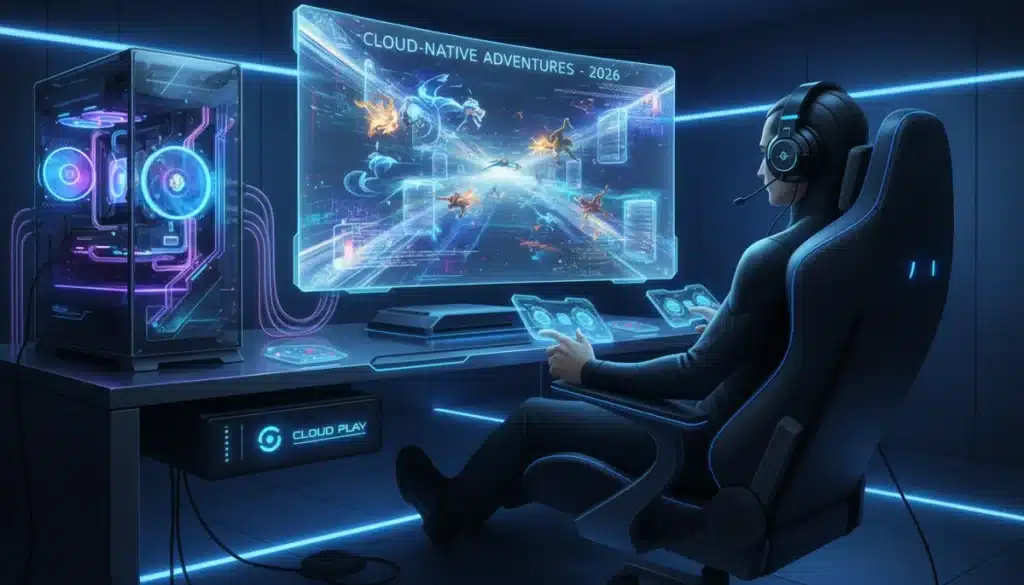
The 2026 surge in Cloud-Native Gaming is fundamentally redefining the PC landscape.
This paradigm shift moves heavy processing to the server side, unburdening local hardware to deliver unprecedented graphical fidelity and planet-scale simulations.
As industry leaders pivot toward this architecture, gamers must adopt a proactive approach to network optimization and hardware compatibility to remain competitive in this next generation of play.
Understanding the Cloud-Native Gaming Revolution
The concept of cloud-native gaming centers on games designed from the ground up to run primarily on remote servers, with only the visual and audio output streamed to the player’s device.
Advertisements
This differs significantly from traditional streaming services, which often adapt existing games.
This approach promises several advantages, including reduced hardware requirements for players, instant access to games, and the potential for larger, more dynamic game worlds.
However, it also introduces new dependencies on internet infrastructure and server performance.
The 2026 timeframe is not arbitrary; it aligns with projected advancements in 5G and fiber optic networks, alongside more powerful and distributed cloud computing resources.
These technological convergences are essential for delivering a truly seamless cloud-native gaming experience.
The Core Principles of Cloud-Native Design
Cloud-native games leverage distributed computing environments, utilizing microservices and containerization to enhance scalability and resilience.
This architecture allows developers to update and iterate on games more rapidly, delivering continuous improvements.
This design philosophy also facilitates cross-platform play more effectively, as the game logic resides centrally rather than being tied to specific hardware.
Players can expect a consistent experience across various devices, from high-end PCs to mobile phones, provided their internet connection is robust.
- Scalability and Elasticity: Games can dynamically scale resources based on player demand.
- Resilience: Distributed architecture minimizes downtime and single points of failure.
- Global Accessibility: Play from virtually anywhere with a strong internet connection.
- Continuous Delivery: Faster updates and new content deployment.
The implications for game development are profound, shifting focus from optimizing for diverse local hardware configurations to perfecting server-side performance and network efficiency.
This means new tools and workflows for developers, and ultimately, new types of experiences for players.
Hardware and Infrastructure Readiness for 2026
While cloud-native gaming aims to reduce the burden on local hardware, certain components will remain critical for an optimal experience.
Low-latency input devices and high-refresh-rate monitors will be more important than ever to minimize perceived lag.
The primary concern shifts from raw processing power to network bandwidth and stability.
A robust internet connection becomes the cornerstone of a satisfying cloud-native gaming session, making infrastructure upgrades a key preparation point.
As we approach 2026, internet service providers are already rolling out faster, more reliable connections, but regional disparities persist.
Players in areas with less developed infrastructure may face initial challenges in fully embracing the cloud-native wave.
Optimizing Your Network Connection
Upgrading to fiber optic internet or a high-speed 5G connection is paramount for anyone serious about cloud-native gaming.
A wired Ethernet connection over Wi-Fi will always offer superior stability and lower latency, which are crucial for responsive gameplay.
Ensuring your home network is optimized involves using modern routers capable of handling high bandwidth and prioritizing gaming traffic.
Minimizing network congestion from other devices will also contribute significantly to a smoother experience.
- Prioritize Fiber Optic or High-Speed Cable/5G: Essential for high bandwidth and low latency.
- Use Wired Ethernet: Reduces packet loss and jitter compared to Wi-Fi.
- Upgrade Router: Ensure it supports modern standards (e.g., Wi-Fi 6/6E) and QoS for gaming.
- Minimize Network Congestion: Limit other bandwidth-intensive activities during gameplay.
Peripheral and Display Considerations
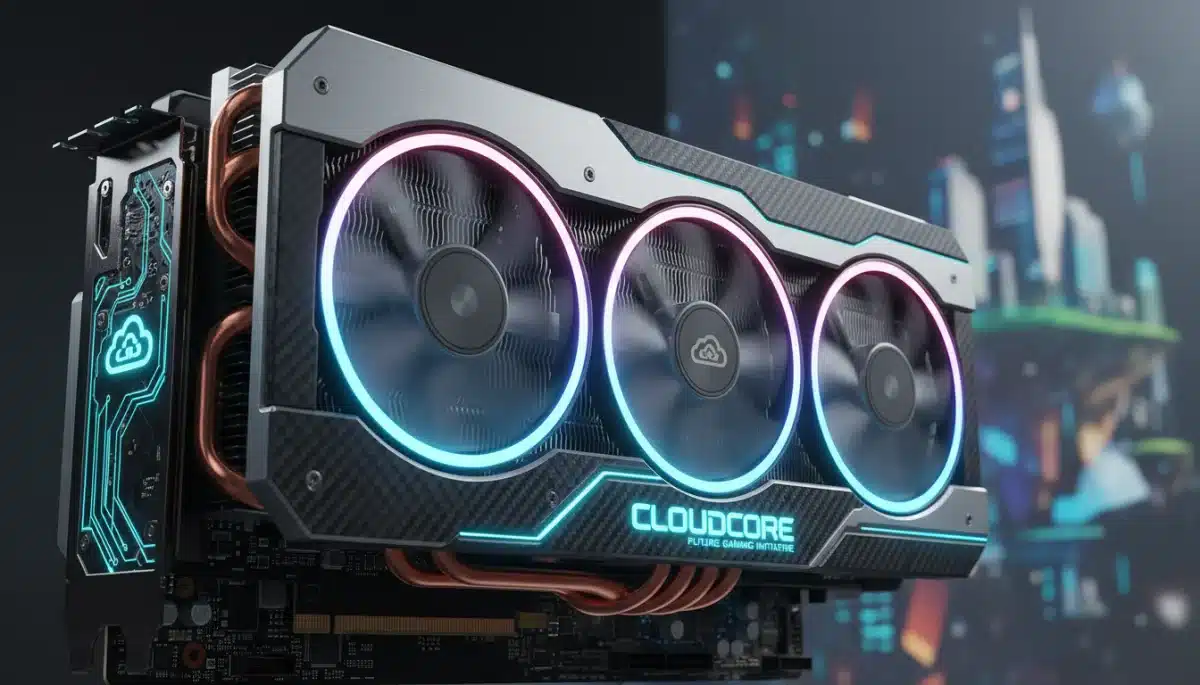
Even with processing handled remotely, the quality of your peripherals directly impacts your interaction with the game.
High-response-rate mice, keyboards, and gamepads minimize input lag, making your actions feel immediate.
High-refresh-rate monitors (120Hz or higher) are crucial for displaying the streamed video feed smoothly, reducing motion blur and enhancing visual clarity.
Adaptive Sync technologies like G-Sync or FreeSync can further improve the visual experience by eliminating screen tearing.
Investing in quality audio equipment also remains important, as immersive soundscapes are a core part of the gaming experience.
Low-latency headsets can provide a competitive edge in fast-paced titles, ensuring you hear critical audio cues in real-time.
The Role of Software and Platforms in Cloud Gaming 2026
The success of the Cloud-Native Gaming 2026 wave hinges not only on hardware and network infrastructure but also on the evolution of software platforms.
Game streaming services will need to become more sophisticated, offering robust features and seamless integration.
Operating systems may also adapt, incorporating features specifically designed to optimize cloud gaming performance, such as network prioritization.
Developers will play a crucial role in designing games that fully leverage cloud capabilities, moving beyond simple ports.
Expect major players like Microsoft, Google, Amazon, and NVIDIA to continue investing heavily in their cloud gaming infrastructures, competing to offer the most compelling and stable experience.
This competition will drive innovation and benefit consumers.
Evolving Game Development Paradigms
Game developers are increasingly adopting cloud-native development practices, utilizing cloud-based tools and services to streamline production and testing. This shift allows for more collaborative development and rapid iteration cycles.
Designing games specifically for the cloud means rethinking traditional game engines and asset pipelines.
Developers can create more complex environments and physics simulations without being constrained by the limitations of individual player hardware.
- Cloud-First Design: Games built from the ground up for cloud environments.
- Microservices Architecture: Enables modular development and easier updates.
- Dynamic Content Delivery: Assets streamed as needed, reducing initial download sizes.
- Persistent Worlds: Cloud infrastructure supports larger, continuously evolving game worlds.
The focus will be on creating experiences that are only possible through the immense computational power of the cloud, pushing the boundaries of what’s currently achievable on local machines.
This is truly the heart of Cloud-Native Gaming 2026.
Security and Data Privacy in the Cloud Era
As more personal data and gaming activity migrate to cloud servers, security and data privacy become paramount concerns for players and platform providers.
Robust encryption, multi-factor authentication, and transparent privacy policies will be non-negotiable.
Players should be vigilant about the security practices of the cloud gaming services they choose, ensuring their personal information and game progress are protected.
Industry standards for cloud security are expected to mature significantly by 2026.
Regulatory bodies may also introduce new guidelines to address the unique privacy challenges posed by cloud gaming, offering consumers greater protection.
Platform providers will need to demonstrate a strong commitment to these standards.
Protecting Your Digital Assets
Using strong, unique passwords and enabling two-factor authentication (2FA) on all gaming accounts is a fundamental security measure.
This adds an extra layer of protection against unauthorized access, even if your password is compromised.
Regularly reviewing the privacy settings of your cloud gaming platforms and understanding what data is being collected and how it’s used is also crucial.
Opting out of unnecessary data collection wherever possible helps maintain your privacy.
- Strong Passwords and 2FA: Essential for account security.
- Review Privacy Policies: Understand data collection and usage.
- Secure Home Network: Protect your local connection from vulnerabilities.
- Stay Informed: Keep up-to-date on platform security updates and best practices.
Economic Implications and Business Models
The rise of Cloud-Native Gaming 2026 will likely bring about new economic models for game consumption.
Subscription services, similar to those seen in other media, are expected to become even more prevalent, offering access to vast libraries of cloud-native titles.
The reduced need for expensive local hardware could democratize access to high-fidelity gaming, potentially expanding the market significantly.
This shift might also impact traditional game sales models, pushing towards a service-oriented approach.
Developers might find new monetization avenues, such as in-game services or premium features that leverage the unique capabilities of cloud infrastructure.
This evolving landscape requires careful consideration from both consumers and industry stakeholders.
Subscription Models and Game Ownership
Cloud gaming services often operate on a subscription basis, providing access to a rotating catalog of games rather than individual purchases.
This model offers cost savings for players but changes the concept of game ownership.
Some platforms may offer a hybrid approach, allowing players to purchase individual cloud-native titles while also providing a subscription option. The balance between these models will be key to market acceptance.
- Subscription Dominance: Expect more all-inclusive gaming passes.
- Hybrid Purchase Options: Individual game purchases may still exist.
- Accessibility for All: Lower entry barrier due to reduced hardware costs.
- New Monetization: In-game services leveraging cloud capabilities.
The economic shifts will be a significant part of the Actionable PC Gaming News: How to Prepare for the 2026 Wave of Cloud-Native Titles narrative, as players weigh the benefits of access versus traditional ownership.
Addressing Latency and Performance Challenges
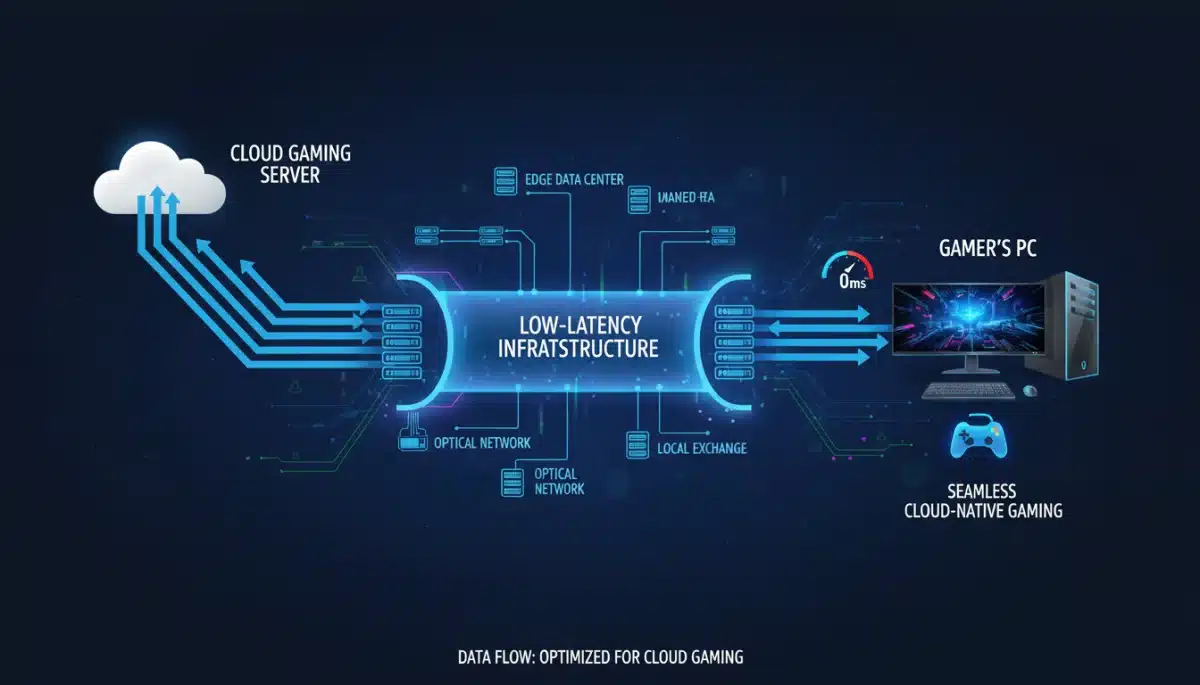
Latency remains the most critical technical hurdle for cloud-native gaming.
The time it takes for a player’s input to travel to the server, be processed, and for the resulting video to stream back to the player must be minimized to ensure a responsive experience.
Advancements in edge computing, where servers are located closer to end-users, are crucial for reducing this round-trip time. Network protocols optimized for real-time data transfer are also under continuous development.
While significant progress has been made, overcoming the psychological perception of lag, even minimal amounts, is an ongoing challenge for cloud gaming providers. The 2026 generation of titles will push these boundaries further.
Technological Solutions for Lower Latency
Edge computing deployment is expanding rapidly, bringing processing power closer to gamers and drastically cutting down data transmission distances. This distributed server architecture is vital for the future of cloud-native gaming.
Advanced video compression algorithms are also key, ensuring high-quality visuals can be streamed with minimal delay and bandwidth consumption. These algorithms must balance visual fidelity with the need for speed.
- Edge Computing: Servers located geographically closer to players.
- Optimized Network Protocols: Designed for real-time data transfer.
- Advanced Video Compression: High quality, low latency streaming.
- Adaptive Streaming: Adjusts quality based on network conditions.
The ongoing battle against latency is a central theme in Actionable PC Gaming News: How to Prepare for the 2026 Wave of Cloud-Native Titles, with continuous innovation expected in this area.
Community and Competitive Gaming in the Cloud
The transition to cloud-native titles in 2026 will profoundly impact community interaction and competitive gaming. Centralized server infrastructure could facilitate larger, more persistent multiplayer worlds and innovative social features.
However, competitive gaming, particularly esports, will demand exceptionally low latency and consistent performance to maintain fairness and integrity. The perceived fairness of cloud-based competitive play will be a key factor in its adoption.
Developers will need to design robust anti-cheat measures that can operate effectively in a server-centric environment, ensuring a level playing field for all participants. The integrity of competitive cloud gaming is paramount.
Fostering Cloud-Native Esports
For cloud-native titles to thrive in esports, platforms must guarantee extremely stable, low-latency connections for all competitors. Specialized server regions or dedicated LAN-like cloud environments might be necessary for professional play.
Transparent performance metrics and tools to diagnose network issues will be essential for players and organizers. The community’s trust in the platform’s ability to deliver a fair and consistent experience is non-negotiable.
- Guaranteed Low Latency: Critical for competitive integrity.
- Robust Anti-Cheat: Server-side solutions for fair play.
- Transparent Performance Metrics: Build player trust.
- Innovative Social Features: Enhance community engagement.
The future of Cloud-Native Gaming 2026 in esports will depend on how effectively these challenges are addressed, ensuring a compelling and equitable competitive landscape.
The Environmental Footprint of Cloud Gaming
The environmental impact of large-scale cloud data centers is an important consideration as cloud-native gaming expands.
The energy consumption required to power and cool these facilities is substantial, raising questions about sustainability.
Industry leaders are increasingly investing in renewable energy sources and more energy-efficient data center designs to mitigate their carbon footprint.
Transparency regarding energy usage and sustainability efforts will become more important to consumers.
As we look to 2026, the gaming community and environmental advocates will push for greener cloud solutions.
This aspect of Actionable PC Gaming News: How to Prepare for the 2026 Wave of Cloud-Native Titles highlights a broader industry responsibility.
Sustainable Cloud Practices
Cloud providers are actively working on optimizing server utilization and adopting more efficient cooling technologies to reduce energy consumption.
The move towards serverless computing also offers potential energy savings by only allocating resources when needed.
Investing in data centers powered by renewable energy, such as solar and wind, is a growing trend among major cloud service providers. This commitment to sustainability can be a significant differentiator in the market.
- Renewable Energy Adoption: Powering data centers with green sources.
- Energy-Efficient Data Centers: Optimized cooling and hardware.
- Server Utilization Optimization: Reducing idle server power consumption.
- Transparency in Reporting: Communicating environmental efforts to consumers.
Addressing the environmental footprint is a crucial part of the long-term viability and public acceptance of Cloud-Native Gaming 2026, requiring ongoing innovation and commitment from the industry.
| Key Point | Brief Description |
|---|---|
| Cloud-Native Definition | Games designed for remote server processing, streaming visuals to players. |
| Hardware Focus Shift | Less on local CPU/GPU, more on network bandwidth and low-latency peripherals. |
| Network Optimization | Fiber internet, wired connections, and QoS routers are crucial for optimal performance. |
| Latency Mitigation | Edge computing and advanced compression are key to reducing perceived lag. |
Frequently Asked Questions About Cloud-Native Gaming in 2026
A cloud-native game is developed specifically to run on remote servers, with inputs sent from the player and video/audio streamed back. Unlike traditional games, its core processing power resides in the cloud, allowing for greater scalability and complex environments without relying on local hardware.
While a powerful PC isn’t strictly necessary for processing, a stable, high-bandwidth internet connection is paramount. High-refresh-rate monitors and low-latency peripherals, like gaming mice and keyboards, will significantly enhance your experience by minimizing perceived input lag and maximizing visual smoothness.
Your internet connection is the single most critical factor. Cloud-native gaming relies on streaming, so low latency and high bandwidth are essential. Fiber optic or high-speed cable internet, coupled with a wired Ethernet connection, will provide the best and most consistent performance for seamless gameplay.
Benefits include reduced local hardware requirements, instant access to games, and the potential for more expansive and dynamic game worlds. It also facilitates cross-platform play and allows developers to deliver faster updates, offering a more consistent experience across various devices.
As with any cloud service, data privacy is a key concern. Players should ensure platforms use robust encryption and offer transparent privacy policies. Using strong passwords and two-factor authentication is crucial, and reviewing privacy settings regularly helps protect personal information and gaming data.
Impact and Implications
The impending Cloud-Native Gaming 2026 wave represents a fundamental shift in how games are developed, delivered, and consumed.
This transition offers unprecedented opportunities for immersive experiences and broader accessibility, but also demands proactive preparation from players and continuous innovation from the industry.
The focus will remain on optimizing network infrastructure, ensuring robust security, and fostering sustainable practices to fully realize the potential of cloud-native titles.
As the hardware becomes less relevant than the connection, staying informed on the latest tech requirements is vital.
For deeper dives into the hardware and software shifts defining this era, keep an eye on the latest updates from PCGamesN.